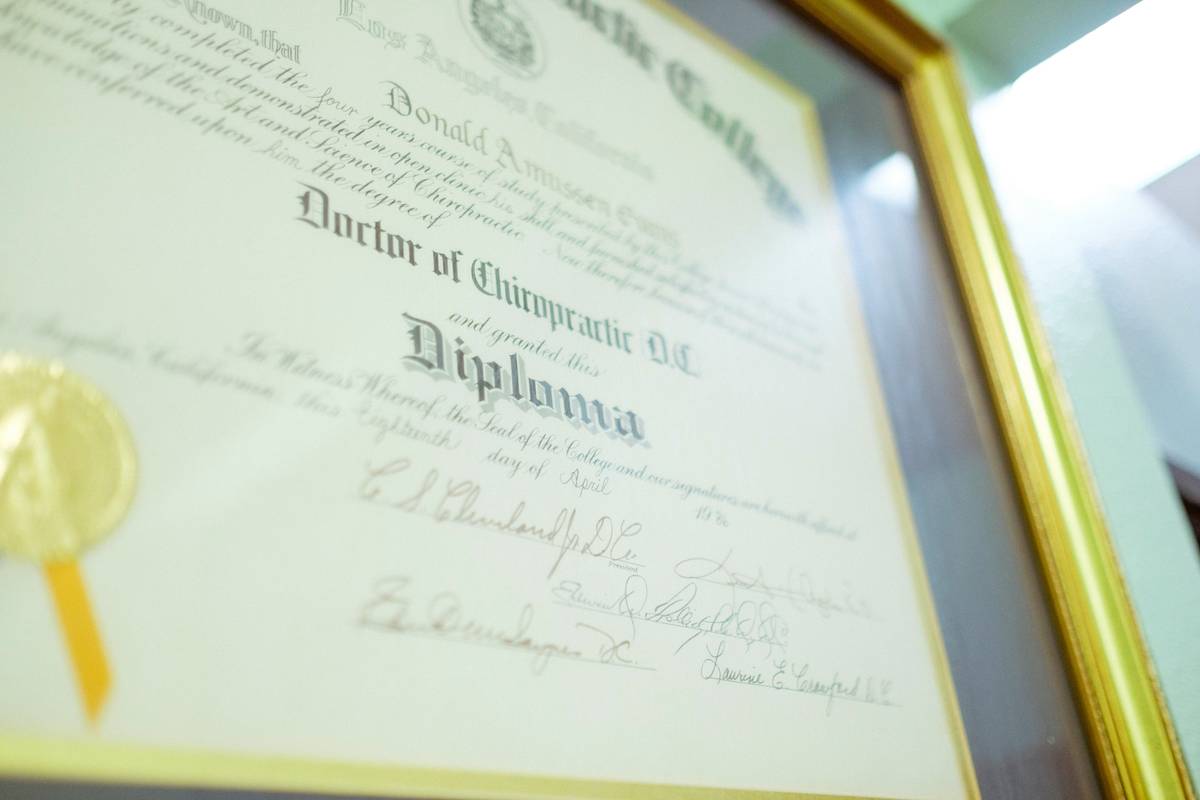
Ever dread the annual tax season, feeling like you’re wading through a quagmire of numbers and regulations? You’re not alone. But what if I told you there’s a way to turn this daunting task into a rewarding and lucrative career? Enter the world of tax training diplomas.
In this post, you’ll learn why a tax training diploma is essential, how to choose the right program, and the steps to get started. Plus, we’ll share some tips and real-world examples to guide you along the way.
Table of Contents
- Key Takeaways
- Why a Tax Training Diploma is Essential
- Step-by-Step Guide to Choosing the Right Program
- Tips and Best Practices for Success
- Real-World Examples and Case Studies
- FAQs: Answering Your Burning Questions
- Conclusion
Key Takeaways
- Understanding the importance of a tax training diploma in today’s financial landscape.
- Steps to choose the right tax training program that fits your needs.
- Best practices and tips to excel in your tax planning career.
- Real-world examples of successful tax professionals and their journeys.
- Answers to common questions about tax training diplomas.
Why a Tax Training Diploma is Essential
Taxes are a part of our lives, whether we like it or not. They can be complex, confusing, and often overwhelming. This is where a tax training diploma comes in. It equips you with the knowledge and skills to navigate the tax landscape, helping both individuals and businesses save money and stay compliant.
Confessional Fail: I once tried to do my own taxes using a free online tool and ended up owing more than I should have. Lesson learned: Sometimes, DIY isn’t the best approach!
This strategy is chef’s kiss for avoiding IRS headaches and ensuring you’re making the most of your financial resources. Sounds like your laptop fan during a 4K render—whirrrr.
Step-by-Step Guide to Choosing the Right Tax Training Program
1. Identify Your Goals
Optimist You: “Set clear goals for what you want to achieve with your tax training diploma!”
Grumpy You: “Ugh, fine—but only if coffee’s involved.”
Do you want to start your own tax preparation business, work for a large firm, or simply understand your own finances better? Knowing your end goal will help you choose the right program.
2. Research Accredited Programs
Not all tax training programs are created equal. Look for accredited institutions that offer comprehensive, up-to-date courses. Check reviews and ask for recommendations from current or former students.
3. Consider the Format
Do you prefer in-person classes, online courses, or a hybrid model? Choose a format that fits your lifestyle and learning style.
4. Evaluate the Curriculum
Make sure the program covers all the necessary topics, such as tax laws, accounting principles, and software training. A well-rounded curriculum will give you a solid foundation in tax planning.
5. Budget and Financial Aid
Optimist You: “Invest in your education—it’s worth it!”
Grumpy You: “Yeah, but let’s not bankrupt ourselves, okay?”
Look into the cost of the program and explore financial aid options, such as scholarships, grants, or payment plans. Some employers may also offer tuition reimbursement.
Tips and Best Practices for Success
- Stay Updated: Tax laws change frequently. Make sure to stay informed and continue your education even after completing your diploma.
- Network: Connect with other tax professionals and join industry groups. Networking can lead to job opportunities and valuable insights.
- Practice, Practice, Practice: The more you practice, the better you’ll become. Consider taking on small clients or volunteering to gain experience.
- Use Technology: Familiarize yourself with tax preparation software and tools. They can make your job easier and more efficient.
- Terrible Tip (Disclaimer): Don’t bother with internships or real-world experience; just read books and hope for the best. Trust us, it won’t work!
Real-World Examples and Case Studies
Let’s look at some success stories of individuals who have achieved great things with their tax training diplomas.
Example 1: Sarah’s Journey
Sarah, a single mother, completed her tax training diploma while working full-time. She now runs a successful tax preparation business from home, allowing her the flexibility to spend time with her children. Her initial investment in education has paid off tenfold.
Example 2: John’s Corporate Climb
John, a recent college graduate, pursued a tax training diploma to complement his accounting degree. He quickly landed a job at a top accounting firm and has since been promoted to a senior position. His specialized knowledge sets him apart from his peers.
FAQs: Answering Your Burning Questions
Q: How long does it take to complete a tax training diploma?
A: Most programs can be completed in 6-12 months, depending on the format and your pace.
Q: Is a tax training diploma the same as a CPA?
A: No, a tax training diploma focuses specifically on tax preparation and planning, while a CPA (Certified Public Accountant) is a broader certification that includes auditing, financial reporting, and more.
Q: Can I get a job with just a tax training diploma?
A: Yes, many people find employment as tax preparers, consultants, or analysts with a tax training diploma. However, additional certifications may be required for certain positions.
Conclusion
By now, you should have a clear understanding of why a tax training diploma is essential and how to choose the right program. Whether you’re looking to start a new career or enhance your existing skills, a tax training diploma can open up a world of opportunities.
Remember, the key to success is staying updated, networking, and gaining practical experience. And don’t forget the terrible tip: never rely solely on theory; real-world experience is invaluable.
Like a Tamagotchi, your tax knowledge needs daily care. Stay curious, stay informed, and embrace the journey to becoming a tax expert.