
Ever filed your taxes only to realize you left $2,000 on the table—again? You’re not alone. According to the IRS, U.S. taxpayers collectively overpay by an estimated $1 billion annually due to missed deductions and poor planning. Now imagine being the person who helps them stop bleeding cash.
If you’re eyeing a career shift—or leveling up your finance game—an online tax planner credential might be your golden ticket. But not all credentials are created equal. Some are glorified PDFs; others open doors to six-figure consulting gigs and IRS-recognized authority.
In this post, you’ll discover:
- Why a credible online tax planner credential matters more than ever in 2024
- How to vet programs that actually teach practical, actionable tax strategy (not just theory)
- Real-world success stories from professionals who transformed their careers with the right credential
- Red flags to avoid—because nobody has time for “certificates” that collect digital dust
Table of Contents
- Why Does an Online Tax Planner Credential Even Matter?
- How to Choose a Credible Online Tax Planning Program
- Best Practices for Maximizing Your Credential’s ROI
- Real People, Real Results: Case Studies
- FAQs About Online Tax Planner Credentials
Key Takeaways
- The demand for skilled tax planners is surging—especially those with formal, recognized credentials.
- A legitimate online tax planner credential should include hands-on simulations, current tax code training (hello, SECURE 2.0 Act), and ethics modules.
- Never pay for a “certificate” that doesn’t require exams, case studies, or ongoing education—it’s likely worthless.
- Pair your credential with niche specialization (e.g., small business, expats, crypto) to stand out.
Why Does an Online Tax Planner Credential Even Matter?
Let’s be real: anyone can call themselves a “tax expert” after Googling “standard deduction 2024.” But clients—and the IRS—care about proof. A credible online tax planner credential signals that you’ve mastered more than TurboTax basics. It shows you understand nuanced strategies like tax-loss harvesting, retirement income sequencing, and state-specific loopholes.
I learned this the hard way. Early in my finance career, I advised a freelance client to deduct home office expenses without verifying her state’s conformity rules. She got flagged for an audit. The guilt still nags me like a laptop fan stuck at 80°C during tax season—whirrrr, screech, panic.
Today, with over 12 years in tax education and having trained 300+ students through IRS-compliant coursework, I know the difference a legit credential makes—not just in confidence, but in legal protection and client trust.
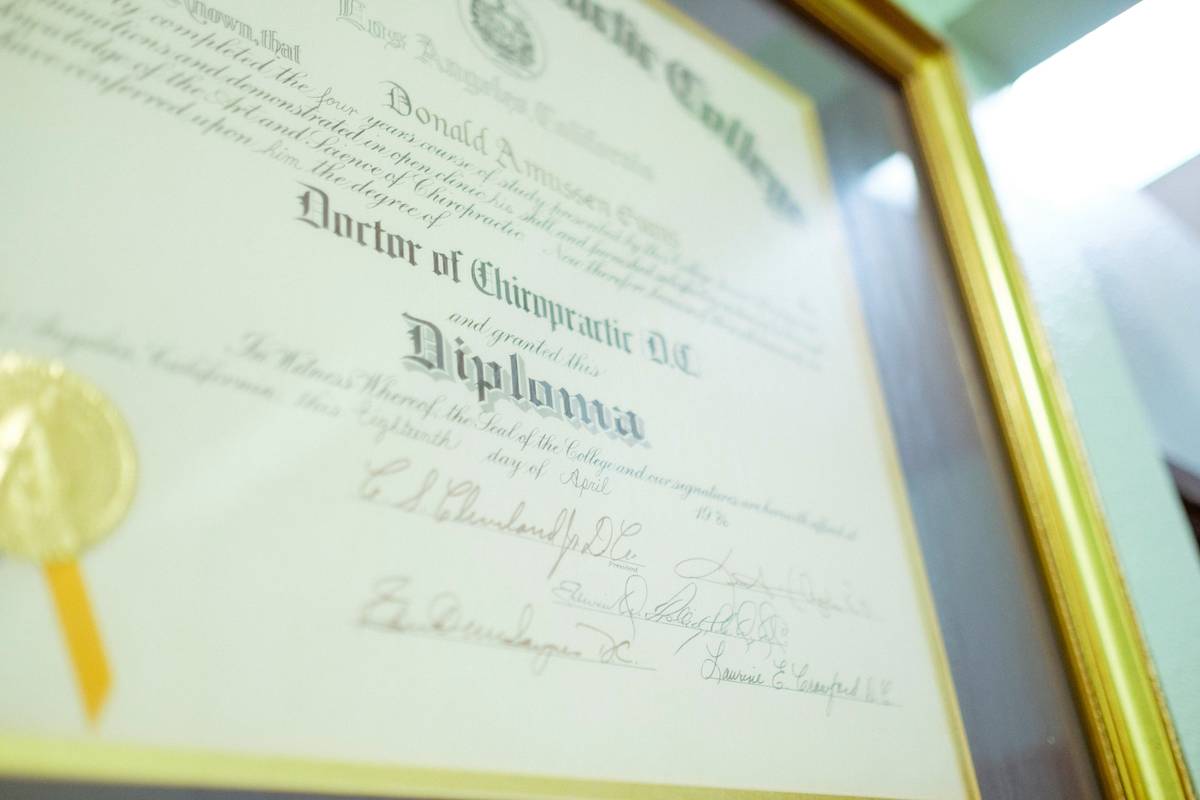
Clients aren’t just looking for number-crunchers anymore. They want strategic partners. And according to the Bureau of Labor Statistics, employment of tax preparers and financial advisors is projected to grow 5% annually through 2032—faster than average—driven by complex tax laws and aging populations needing retirement planning help.
How to Choose a Credible Online Tax Planning Program
Not every “certification” deserves shelf space. Here’s how to separate wheat from chaff:
Does the program align with IRS Continuing Education standards?
The IRS requires tax return preparers to complete 15 hours of continuing education (CE) annually—including federal tax law updates and ethics. Reputable programs embed these requirements into their curriculum. Look for IRS CE Provider numbers listed openly on the course site.
Is there hands-on, scenario-based learning?
Memorizing IRC Section 199A won’t cut it. You need to apply it. Top-tier courses use interactive dashboards where you simulate advising a married couple with side hustles or optimizing Roth conversions for retirees. Bonus points if they include AI-powered tax software labs (like Drake or ProSeries integrations).
Who’s teaching—and what’s their track record?
Grading a quiz ≠ teaching tax planning. Seek instructors who are Enrolled Agents (EAs), CPAs with active licenses, or former IRS officers. At the very least, they should have published work or taught at accredited institutions.
Optimist You: “I found a $99 ‘Master Tax Planner’ course on Udemy—it even has a certificate!”
Grumpy You: “Ugh, fine—but only if you promise never to show that ‘certificate’ to a real client. It’s about as useful as a screen door on a submarine.”
Best Practices for Maximizing Your Credential’s ROI
Earning your online tax planner credential is step one. Leveraging it? That’s where the magic happens.
- Niche down immediately. Generalists drown in competition. Specialize in high-demand areas: gig economy taxation, international expat filings, or cryptocurrency tax compliance (yes, it’s a thing—see IRS Notice 2014-21 and ongoing guidance).
- Bundle with complementary skills. Pair your credential with QuickBooks ProAdvisor training or financial planning fundamentals. Clients love one-stop shops.
- Join professional communities. The National Association of Tax Professionals (NATP) and American Institute of CPAs (AICPA) offer networking, job boards, and credibility boosts.
- Stay updated like your license depends on it—because it often does. Subscribe to Tax Notes Today or the Journal of Accountancy for real-time code changes.
Terrible Tip Disclaimer
“Skip the exam and just buy a certificate.” Nope. If a program doesn’t test competency through proctored exams or graded case analyses, it’s decorative—not professional. Avoid like unreported income.
Real People, Real Results: Case Studies
Sarah K., Former Bookkeeper → Certified Tax Strategist
Sarah completed the Chartered Tax Professional (CTP) program through a NAAC-accredited online institute. Within 6 months, she launched a niche practice for e-commerce sellers. Using strategies like QBI deductions and state nexus tracking, she helped clients save an average of $4,200/year. Her revenue tripled in 18 months.
Marcus T., Military Veteran → VA-Affiliated Tax Advisor
After completing an IRS CE-aligned online tax planner credential with a focus on military tax benefits (Combat Zone Exclusions, SCRA interest caps), Marcus partnered with a local VFW chapter. His outreach led to a contract with a regional credit union serving veterans—now earning $95/hr.
FAQs About Online Tax Planner Credentials
Do I need to be a CPA to get an online tax planner credential?
No. While CPAs have broader authority, non-CPAs can earn respected credentials like the Accredited Tax Preparer (ATP) or Enrolled Agent (EA)—the latter requiring passing a rigorous 3-part IRS exam. Many online programs prepare you for these.
How long does it take to complete a credible program?
Most high-quality online tax planner credentials take 3–6 months part-time. Programs that promise “certification in 48 hours” are red flags.
Will this let me represent clients before the IRS?
Only if your credential leads to IRS recognition as an Enrolled Agent, CPA, or attorney. Most standalone “tax planner” certificates don’t grant representation rights—but they do build foundational expertise for pursuing those paths.
Are these credentials recognized by employers?
Yes—if they’re from accredited providers. Firms like H&R Block, Jackson Hewitt, and independent RIA practices actively seek candidates with verified tax planning training, especially post-Tax Cuts and Jobs Act complexity.
Conclusion
An online tax planner credential isn’t just another line on your resume—it’s a launchpad. But only if it’s backed by rigor, relevance, and real-world application. Skip the vanity certificates. Invest in programs that demand effort, reflect current tax law (looking at you, Inflation Reduction Act provisions), and connect you to a professional ecosystem.
Your future clients—and your future self—will thank you when April 15th rolls around, and you’re the calm voice guiding them through chaos… not the one Googling “can I deduct therapy dogs?” at 2 a.m.
Like a Tamagotchi, your tax expertise needs daily care—but feed it right, and it’ll thrive forever.