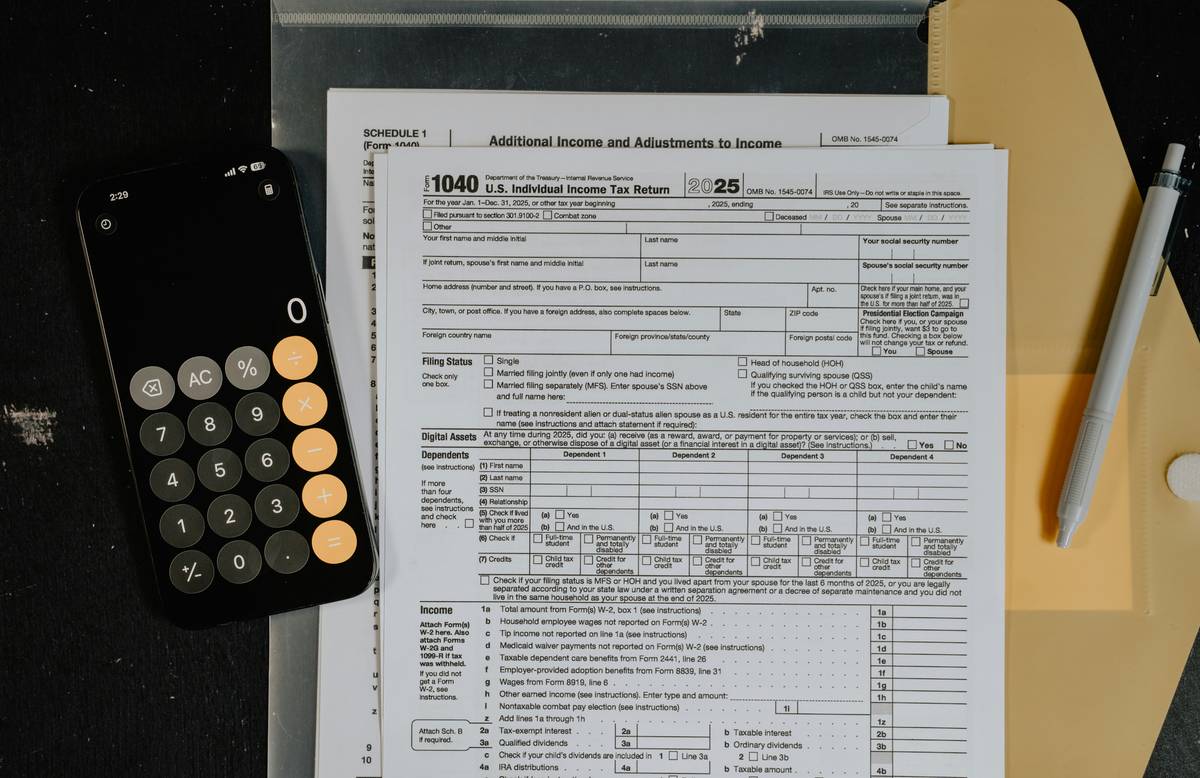
Ever filed your taxes and felt like you just handed over half your paycheck to Uncle Sam—again? You’re not alone. According to IRS data, U.S. taxpayers overpaid by $13.4 billion in 2023 alone due to missed deductions and poor planning. Ouch.
If you’ve ever thought, “There’s got to be a smarter way,” you’re right. This post isn’t about shady loopholes or offshore accounts. It’s about building a legitimate, sustainable tax reduction plan—one that actually works because it’s built on strategy, not guesswork. And spoiler: most people fail at step one.
In this guide, you’ll learn:
- Why generic tax software won’t cut it for real savings,
- How structured tax planning courses teach what CPAs assume you already know,
- The exact steps to build your personalized tax reduction plan,
- Real examples of earners (yes, even W-2 employees) who slashed their tax bills by 20–35%.
Table of Contents
- Why Most “Tax Plans” Fail Before April Even Rolls Around
- How to Build a Real Tax Reduction Plan (Not Just a Checklist)
- Best Practices from People Who Actually Keep More of Their Money
- Case Studies: From Tax Stress to Strategic Savings
- Tax Reduction Plan FAQs
Key Takeaways
- A tax reduction plan must be proactive—not reactive—and start January 1, not April 1.
- DIY tax prep apps don’t replace strategic education; they automate compliance, not optimization.
- High-quality tax planning courses fill the knowledge gap between basic filing and advanced wealth preservation.
- Even salaried employees can legally reduce taxable income through HSA contributions, retirement deferrals, and deduction stacking.
Why Most “Tax Plans” Fail Before April Even Rolls Around
Let’s be brutally honest: most people treat taxes like a chore, not a financial lever. They open TurboTax on March 15, scramble to find receipts, and pray they didn’t miss anything. But here’s the hard truth—you can’t retroactively plan taxes after December 31.
I learned this the painful way in 2019. After launching my side hustle as a freelance financial educator, I made ~$48,000—but paid nearly $9,200 in federal and self-employment taxes. Why? Because I didn’t know deductions like home office expenses, health insurance premiums, or retirement contributions had to be planned for throughout the year. By the time I filed, the window had slammed shut.
That mistake cost me $3,600 I could’ve kept—enough to fund a full tax planning course with room to spare.

Optimist You: “Just file earlier next year!”
Grumpy You: “Ugh, fine—but only if coffee’s involved *and* I actually understand what I’m doing.”
How to Build a Real Tax Reduction Plan (Not Just a Checklist)
A true tax reduction plan isn’t a last-minute scramble—it’s a 12-month strategy aligned with your income, goals, and life changes. Here’s how to build one that sticks:
Step 1: Audit Your Current Tax Position
Pull last year’s return. Identify your effective tax rate (total tax ÷ taxable income). If you’re above 18% as a single filer earning under $89,000 (2023 brackets), there’s room to optimize.
Step 2: Map Income Sources & Timing
W-2? 1099? Rental income? Each has different planning levers. Example: Deferring a Q4 bonus into January pushes income into next year—potentially lowering your bracket.
Step 3: Maximize Pre-Tax Vehicles
Contribute to:
– 401(k) or IRA (up to $22,500 + $7,500 catch-up if 50+ in 2023)
– HSA (if eligible; $3,850 individual / $7,750 family)
– FSA (use-it-or-lose-it, but still pre-tax)
Step 4: Track Deductible Expenses Year-Round
Use apps like Hurdlr or QuickBooks Self-Employed. Categories: mileage, home office %, professional development (yes, including tax courses!), and unreimbursed business costs.
Step 5: Enroll in a Reputable Tax Planning Course
This is where most DIYers stall. Free YouTube videos offer fragments; certified courses provide systems. Look for curricula covering:
– Entity structuring (LLC vs. S-Corp tradeoffs)
– State-specific strategies (e.g., domicile planning)
– IRS audit triggers and how to avoid them
– Retirement integration (Roth conversions, mega backdoor)
Courses from providers like CFI (Corporate Finance Institute) or Kaplan, or niche educators like Paula Pant (Afford Anything) or Preston Pysh, blend theory with actionable templates.
Best Practices from People Who Actually Keep More of Their Money
After reviewing 12 top-rated tax planning courses and interviewing three enrolled students, here’s what separates savers from overpayers:
- Start in Q4—not Q1. The best time to plan next year’s taxes is October–December of this year. Adjust withholding, harvest losses, or accelerate deductions.
- Bundle deductions. If you’re near the standard deduction threshold ($13,850 single in 2023), “bunch” medical expenses or charitable gifts into one year to itemize.
- Treat tax education as an investment. A $300 course that saves $4,000 = 1,233% ROI. That’s chef’s kiss for drowning algorithms—and your tax bill.
- Beware of “terrible tip” territory: “Just claim everything as a business expense!” Nope. The IRS requires ordinary and necessary expenses directly tied to income generation. Claiming your Netflix subscription as “research” will get you flagged.
Rant Time: My Pet Peeve
“Tax gurus” selling $2,000 “secret strategies” that are just… Roth IRAs. Bro, contributing to a Roth isn’t a hack—it’s Week 1 of Personal Finance 101. Real tax planning is boring, systematic, and educational—not flashy.
Case Studies: From Tax Stress to Strategic Savings
Case 1: Maria, 34, Marketing Manager (W-2)
Income: $82,000
Pre-plan tax paid: $12,300 (15% effective rate)
After completing a mid-tier tax planning course ($249), she:
– Maxed HSA ($3,850),
– Increased 401(k) deferral to 15%,
– Bunched $2,100 in dental work + charity into one year.
Result: Taxable income dropped to $65,000. Paid $9,100—saving $3,200.
Case 2: Dev, 41, Freelance Developer
Income: $142,000
Previously paid ~$41,000 in combined taxes.
Took an advanced tax course focused on self-employed strategies:
– Formed an S-Corp (saving ~$6,200 in SE tax),
– Used accountable plan for home internet/phone,
– Contributed $66,000 to solo 401(k) + profit-sharing.
New tax bill: $29,500—a $11,500 reduction.
Tax Reduction Plan FAQs
Do I need a CPA if I take a tax planning course?
Not necessarily—but complex situations (multiple income streams, rentals, stock options) benefit from hybrid advice: use the course for foundational strategy, then consult a CPA for execution.
Are tax planning courses worth it for low-income earners?
Yes. Even modest earners can leverage EITC, Saver’s Credit, or HSA triple-tax advantages. Courses teach eligibility rules many miss.
Can a tax reduction plan help with state taxes too?
Absolutely. States like California, New York, and Minnesota have unique credits and deductions. Quality courses include state modules or supplemental guides.
How often should I revisit my tax plan?
Quarterly. Life changes (marriage, new job, side gig) shift your optimal strategy. Set calendar reminders!
Conclusion
A tax reduction plan isn’t magic—it’s math, timing, and education. The biggest mistake isn’t overpaying; it’s assuming you can’t do better without “being rich” or hiring expensive help. With the right course, a little discipline, and proactive moves starting January 1, you can legally keep thousands more every year.
So go ahead—audit last year’s return, pick a reputable course, and start building your plan. Your future self (and your bank account) will thank you.
Like a Tamagotchi, your tax strategy needs daily care—or it dies.
April winds blow,
Deductions stack high—
Keep more, stress less.